
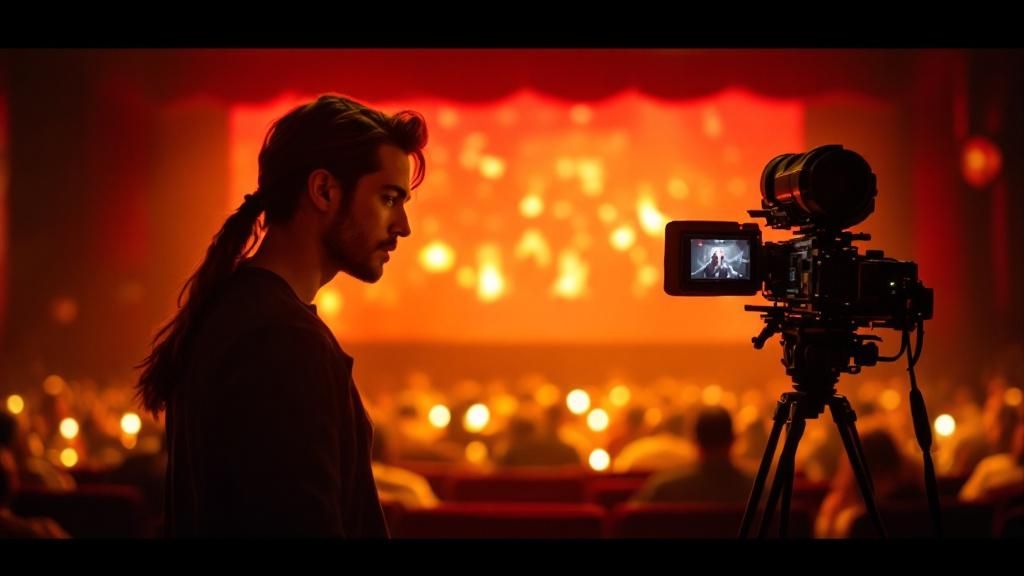
The theatre has experienced a remarkable evolution in recent years, as cutting-edge cinematic techniques revolutionise the way audiences engage with stories on stage. From immersive projection mapping and digital scenery to advanced lighting systems and sound engineering, modern theatres are blending traditional stagecraft with contemporary visual technology. This article examines how these innovative approaches are reshaping theatrical narratives, strengthening emotional resonance, and creating unforgettable experiences that blur the boundaries between cinema and live performance, ultimately redefining what audiences expect from theatre in the modern era.
The Evolution of Image-Based Narrative
The progression of stage narrative in theatre has undergone significant change over the past century. From modest origins with backdrop designs and candlelit stages, stage production has developed into a complex blend of artistic disciplines. Initial developments introduced electrical illumination and automated sets, substantially changing how narratives could be conveyed. However, the true revolution emerged when theatre practitioners began incorporating cinematic principles, understanding that audiences’ expectations had shifted dramatically in the wake of cinema experience.
Contemporary theatres now harness sophisticated visual technology that would have seemed impossible mere decades earlier. High-resolution projection mapping create dynamic, three-dimensional environments that respond instantaneously to performers’ gestures and emotional beats. These projected imagery go beyond simple aesthetics, becoming key narrative elements themselves. Directors employ these technologies to condense timeframes, move between spaces effortlessly, and visualise abstract concepts that conventional theatre techniques cannot communicate. The marriage of live performance with cinematic quality has opened up fresh narrative opportunities.
This shift illustrates broader cultural changes in how audiences consume content and experience entertainment. Modern digital audiences expect advanced visual language, whilst classical theatre enthusiasts value the theatrical authenticity that film is unable to replicate. Modern theatres skillfully manage this balance, incorporating film-inspired methods to amplify audience emotion without reducing the incomparable dynamism of theatrical performance. This collaboration between classical and contemporary has profoundly reshaped theatrical practice for modern viewers.
Immersive Spatial Audio and Spatial Sound Technology
Modern theatre productions employ complex sonic technologies that exceed traditional speaker-based sound. Three-dimensional sound systems creates layered spatial sound fields, enabling audio to travel seamlessly around the auditorium, enveloping audiences in immersive sonic spaces. This sophisticated method alters how spectators perceive narrative elements, rendering dialogue, music, and effects feel authentically integrated within the theatrical space rather than simply amplified from speakers.
The integration of Dolby Atmos and comparable immersive sound technologies has become more widespread in present-day venues. These systems enable sound designers to position audio elements accurately across the theatre environment, including overhead channels that deliver substantial spatial richness. By employing this approach strategically, performances create emotional resonance that amplifies dramatic beats, intensifies comedic timing, and establishes atmospheric tension in manners conventional stereo setups cannot deliver.
- Spatial audio places sound across three-dimensional theatrical spaces effectively.
- Dolby Atmos system facilitates precise directional and overhead sound placement.
- Immersive soundscapes strengthen emotional resonance between actors and spectators.
- Audio composition complements projected visuals for integrated sensory experiences.
- Advanced systems support intricate story elements via sonic narrative methods.
Theatre sound engineers now partner with directors and visual specialists to guarantee audio enhances visual elements seamlessly. This cross-disciplinary collaboration acknowledges that today’s audiences expect film-grade sound alongside sophisticated staging. Consequently, shows invest significantly in audio technology, ensuring theatres possess suitable facilities for providing immersive experiences that compete with cinema sound quality whilst preserving the spontaneity and genuine character central to live theatrical performance.
Digital Projection and Colour Grading Enhancement
Digital projection technology has profoundly changed theatrical presentations, enabling productions to display breathtaking imagery sequences with remarkable precision and precision. Modern theatres now employ sophisticated projection technology capable of rendering intricate details, vivid visuals, and seamless transitions that captivate audiences from the opening moments. This innovation in technology allows directors to craft immersive environments that enhance live performances, transforming stages into versatile platforms where cinematic storytelling merges seamlessly with stage conventions, enriching the complete storytelling journey.
Colour grading serves as a crucial innovation in modern theatrical design, offering technicians refined tools to adjust visual atmospheres and amplify emotional impact. By carefully calibrating hues, saturation levels, and contrast ratios, colour graders establish distinctive moods that align with narrative themes and character development. This meticulous approach to colour management ensures that every scene maintains visual coherence whilst evoking specific emotional responses, allowing audiences to experience stories through a thoughtfully constructed visual language that heightens dramatic tension and psychological depth throughout performances.
The integration of digital display technology and colour correction has significantly transformed spectator anticipations concerning visual presentation and story excellence. Productions now utilise these technologies to produce visually impressive spaces that rival movie-like experiences whilst retaining the unique energy of live theatre. This synthesis of conventional theatre and modern film methods shows how technological progress can strengthen rather than reduce theatrical artistry, establishing novel criteria for engaging entertainment that keep developing as technology advances.
