
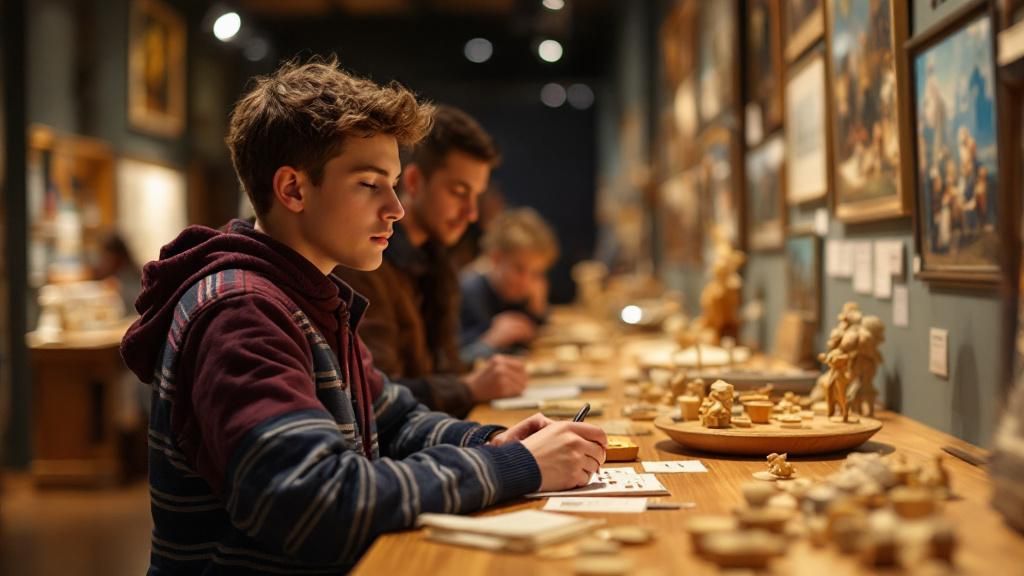
Britain’s most celebrated museums are transforming how they connect with younger audiences, moving beyond traditional displays to deliver interactive and immersive experiences. From augmented reality experiences to youth-led curation projects, these pioneering projects are reshaping heritage collections into dynamic platforms for discovery and learning. This article investigates how prominent institutions across the country are reimagining audience engagement, making centuries-old artefacts resonate with digitally-native audiences whilst fostering a authentic appreciation for the nation’s cultural heritage amongst the next generation.
Modern Technology Advancement and Interactive Experiences
Britain’s leading museums are utilising advanced digital technologies to engage younger visitors and reshape how heritage collections are encountered. AR applications allow visitors to see artefacts in their original contexts, whilst VR installations carry users through different time periods. Touch-sensitive displays and mobile apps facilitate independent exploration, encouraging intellectual curiosity and involvement. These technological developments broaden access to exhibitions, allowing remote audiences to experience exhibitions from home, considerably extending the museums’ scope beyond geographical constraints and established visiting habits.
Museums are increasingly working together with technology companies and technology experts to develop bespoke platforms tailored directly to younger demographics. Game-like features, including achievement badges and engaging tasks, motivate sustained engagement with collections. Social media integration encourages visitors to post their findings, amplifying institutional reach naturally. These innovations acknowledge that today’s younger audiences expect interactive, personalised experiences rather than passive observation. By embedding digital literacy within heritage education, museums position themselves as progressive organisations that respect their audiences’ technological fluency whilst maintaining rigorous curatorial standards and educational integrity.
School Collaborations and Educational Initiatives
British museums have progressively recognised the importance of forging robust partnerships with educational institutions to incorporate historical knowledge within school curricula. Through partnership schemes, museums are working directly with teaching staff to design customised programmes that meet national curriculum requirements whilst enriching classroom experiences. These working relationships allow students to interact with authentic objects and expert-led sessions, transforming abstract past events into concrete educational experiences that work considerably better than traditional textbook approaches alone.
Many institutions have created dedicated school liaison teams that craft customised workshops and structured tours catering to different year groups and academic levels. These programmes often incorporate practical engagement, interactive storytelling, and backstage access to collections, allowing learners to enhance evaluative competencies whilst exploring their historical legacy. Museums have discovered that such immersive experiences substantially boost student engagement and cultivate more meaningful relationships with past events, ultimately nurturing a more knowledgeable and culturally conscious body of future citizens.
The effectiveness of these learning collaborations is demonstrated in growing levels of school engagement and constructive comments from both teachers and students. Many museums now offer reduced-cost or no-charge visits for structured school parties, addressing affordability challenges and creating equal chances across all income levels. By supporting student learning, museums are establishing their value for future generations whilst honouring their fundamental role as custodians of Britain’s invaluable cultural heritage.
Community Participation and Cultural Inclusion
British museums are actively promoting inclusive practices to make heritage offerings appeal with broad youth populations. By eliminating cost obstacles through no-cost or subsidised access options, institutions are broadening cultural participation. Additionally, museums are producing multi-language content, sensory-conscious programming, and neurodiverse-friendly areas, recognising that participation goes further than traditional gallery visitors. These carefully considered changes acknowledge varying learning styles and inclusive requirements, establishing inclusive spaces where young people from all backgrounds feel authentically recognised and represented within cultural spaces.
Community alliances have become crucial to extending museum reach beyond institutional walls. Collaborations with educational institutions, youth services, and community groups facilitate bespoke activities addressing distinct audience preferences and populations. Museums are actively recruiting young people as community ambassadors and peer educators, strengthening real voices within heritage narratives. These local strategies encourage authentic investment and investment, reshaping museums from inactive storehouses into lively community centres. By positioning themselves in local contexts, British institutions are building sustainable relationships with younger audiences, making cultural participation an integral part of community life rather than infrequent attendance.
Future Directions and Environmental Responsibility
As museums continue to evolve their participation methods, the ongoing success of these innovative programmes remains paramount. Institutions are increasingly seeking multiple funding options, including partnerships with technology companies and arts organisations, to guarantee sustained operation. Digital initiatives demand sustained commitment in facilities and workforce development, yet the demonstrable impact on youth demographics warrants these investments. Museums are also creating assessment tools to assess initiative performance, helping them adjust methods and direct investment effectively. This dedication to evidence-based decision-making sets British museums as leaders in contemporary heritage engagement.
Looking ahead, the sector anticipates greater adoption of new technological advances such as artificial intelligence and virtual reality, delivering even more tailored educational experiences. Partnership frameworks between institutions will support knowledge-sharing and resource pooling, amplifying impact across regions. Museums recognise that engaging younger audiences today develops future supporters, donors, and heritage champions. By maintaining flexibility and embracing innovation whilst honouring curatorial integrity, British museums are securing their relevance for generations to come, guaranteeing that cultural collections remain vibrant, accessible, and deeply meaningful to all visitors.
